
Insights, Stories, and
Perspectives Unleashed
Latest Articles
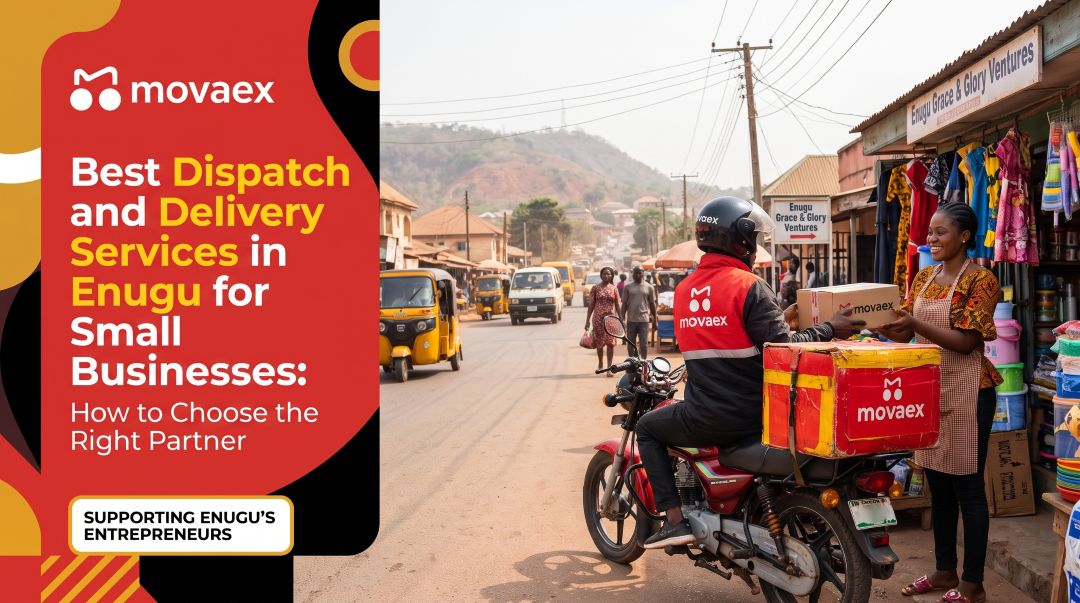
Best Dispatch and Delivery Services in Enugu for Small Businesses: How to Choose the Right Partner
Best Dispatch and Delivery Services in Enugu for Small Businesses: How to Choose the Right Partner
Running a business in Enugu comes with plenty of responsibilities. You have to manage orders, attend to customers, keep track of payments and make sure products reach the right people. But what happens when a customer is ready to receive an order and you don't have a reliable way to deliver it?
For many small businesses, delivery is more than moving a package from one location to another. It affects customer satisfaction, repeat purchases and the reputation of the business.
Whether you run a fashion store in New Haven, sell skincare products online, operate a restaurant or manage a pharmacy, choosing the right dispatch and delivery service in Enugu can make your daily operations easier.
But with different logistics companies and independent dispatch riders available, how do you know which option is right for your business?
This guide explains what to look for when choosing a delivery partner, the questions to ask before booking a rider and how local businesses can make better delivery decisions.
Why Small Businesses in Enugu Need a Reliable Delivery Partner
Customers increasingly expect convenient ways to receive the products they purchase. Many prefer ordering through WhatsApp, Instagram, Facebook or a business website rather than visiting a physical store.
For business owners, this creates an opportunity to serve customers beyond their immediate neighbourhood. However, accepting orders is only one part of the process. Those orders still need to reach their destinations safely and efficiently.
A reliable dispatch arrangement can help your business:
Save time: Spend less time organizing individual deliveries and more time managing your business.
Improve customer experience: Make receiving an order easier and more convenient for customers.
Reduce delivery confusion: Clear pickup details, correct addresses and communication can help prevent avoidable problems.
Support business growth: A workable delivery process makes it easier to manage orders as your customer base expands.
Encourage repeat purchases: Customers are more likely to trust a business that communicates clearly and handles orders professionally.
For small businesses, the right delivery arrangement should fit the type of products you sell, your customers' locations and the number of orders you handle.
What Types of Businesses Need Dispatch Services in Enugu?
Motorcycle dispatch services can be useful for many businesses that need suitable parcels moved locally. Here are some examples.
1. Fashion and Clothing Businesses
Online fashion vendors regularly deliver dresses, shirts, trousers, traditional outfits, shoes and accessories to customers.
A suitable dispatch partner can help coordinate pickups from your store and deliver orders to customers without requiring you to leave your business premises.
Before sending an order, ensure the clothing is neatly packaged and protected against dirt and moisture.
2. Food Vendors and Restaurants
Restaurants, caterers and food vendors often need to get prepared orders to customers while the food is still in good condition.
Secure food containers, suitable packaging and clear pickup arrangements are important. Businesses should also confirm that the delivery provider can accommodate the order safely.
3. Beauty and Skincare Businesses
Beauty entrepreneurs may deliver cosmetics, skincare products, perfumes and hair accessories.
These products can have different packaging needs. Liquid products require leak protection, while fragile containers need appropriate cushioning.
Choosing a suitable dispatch service and preparing the parcel properly can help reduce avoidable delivery problems.
4. Pharmacies and Health Product Retailers
Pharmacies and other health-product businesses may need local delivery arrangements for eligible products.
However, medication, temperature-sensitive products and regulated items may require specific handling or delivery conditions. Always confirm the applicable requirements and the provider's ability to meet them before arranging a delivery.
5. Offices and General Retail Businesses
Offices and retailers may need documents, small supplies, accessories or other suitable parcels moved between locations.
For these businesses, clear recipient information, secure packaging and timely communication are important parts of the delivery process.
7 Things to Check Before Choosing a Dispatch and Delivery Service in Enugu
Not every delivery provider will be suitable for every business. Before committing to one, consider these seven factors.
1. Confirm the Delivery Areas Covered
Start by checking whether the provider serves your pickup location and your customers' destinations.
A business operating around New Haven, for example, may need deliveries to customers in other parts of Enugu. Confirm the specific areas covered rather than assuming every location is automatically available.
Ask these questions before booking:
Can you pick up from my business address?
Do you deliver to the recipient's location?
Are there areas you do not currently serve?
Can you accommodate deliveries outside your usual routes?
Knowing the coverage in advance helps you avoid making promises to customers that you may struggle to fulfil.
2. Understand How Delivery Charges Are Calculated
Delivery costs can affect your profit, especially when your business handles several orders daily.
Some providers calculate charges based on the distance, route, package requirements and other operational factors. Prices may also differ between destinations.
Before booking, request a quote for the actual pickup and delivery locations.
If you sell products online, decide how you will communicate delivery charges to customers. You may charge delivery separately or incorporate it into your pricing, provided the arrangement is clear.
Avoid choosing a provider based on price alone. Consider the service offered, communication, suitability and the overall value to your business.
3. Ask About Pickup Arrangements and Delivery Times
Your customers may expect orders to arrive within a particular period, but delivery times can be affected by traffic, distance, weather and rider availability.
Ask how pickups are arranged, whether advance booking is possible and what delivery timeframe is realistic for your route.
If you receive orders that need to go out early, preparing them in advance and communicating your preferred pickup time can help the process run more smoothly.
A responsible delivery partner should help you understand the arrangements without making promises that cannot be guaranteed.
4. Check Communication and Customer Support
Good communication becomes especially important when a delivery is delayed, a recipient cannot be reached or the delivery address is unclear.
Before choosing a provider, find out how to contact the team if a problem occurs.
You should understand how to:
Confirm that a pickup has been arranged.
Provide additional delivery directions.
Report a problem with an order.
Contact the provider if a recipient is unavailable.
Discuss the next steps if a delivery cannot be completed.
Clear communication helps you keep your own customers informed and reduces unnecessary confusion.
5. Look for Genuine Customer Reviews
Online reviews can help you understand other customers' experiences with a delivery provider.
Search for the company's name on Google and check its Google Business Profile, where available. Read both positive and negative feedback, paying attention to recurring comments about communication, handling and service consistency.
A large number of reviews does not automatically guarantee good service, and a small number does not necessarily mean a business is unreliable.
Look for specific, credible feedback and consider how the company responds to complaints.
You can also ask other business owners in your network about their experiences.
6. Confirm That Your Products Can Be Transported Safely
A delivery provider should be suitable for the kind of products your business sells.
Motorcycle dispatch is often practical for suitable local parcels, documents, clothing and other manageable items. However, unusually large, heavy, fragile or temperature-sensitive goods may require different arrangements.
Before booking, explain what you need to send and confirm that the parcel can be carried safely.
Also, package your products properly. A reliable rider cannot compensate for a leaking container, an insecure seal or inadequate protection around a fragile item.
7. Choose a Provider That Can Support Your Business as It Grows
Your delivery needs may change as your business expands.
You might begin with two or three orders a week and eventually handle several orders each day. At that stage, organizing pickups and communicating with individual riders can become time-consuming.
Consider whether the provider can accommodate your expected order volume, explain its booking process clearly and work with your preferred delivery arrangements.
You do not necessarily need a complicated logistics system when starting out. You need a practical arrangement that works today and can be reviewed as your business grows.
Independent Dispatch Rider or Logistics Company: Which Is Better?
Both options can work, depending on your needs.
An independent dispatch rider may suit a business that needs occasional deliveries and already has a dependable rider it can contact.
A logistics company may be more suitable when you want a business contact for arranging deliveries, need assistance coordinating orders or prefer to work with an established service provider.
Before deciding, compare the actual arrangements rather than assuming that one option is always better.
Independent Dispatch Rider vs. Logistics Company: What Should You Consider?
1. Booking
With an independent dispatch rider, you often arrange deliveries directly with the rider. With a logistics company, bookings are usually made through the company.
2. Communication
When using an independent rider, communication depends on your arrangement with that individual. A logistics company’s communication depends on its customer support process and how it handles delivery updates.
3. Delivery Needs
An independent rider may be suitable for occasional deliveries or familiar routes. A logistics company may be a better fit for businesses with recurring delivery needs.
4. Pricing
With an independent rider, confirm the cost of each trip before proceeding. When using a logistics company, ask how its delivery charges are calculated, including whether distance, destination, or order volume affects the price.
5. What to Confirm Before Choosing
If you prefer an independent rider, verify availability and agree on the delivery terms beforehand. If you choose a logistics company, confirm its service coverage, booking process, pricing, and customer support arrangements.
Ultimately, the right choice depends on your business needs, delivery frequency, budget, and the level of support you require.
Neither option guarantees a better outcome by itself. Reliability, suitability, communication and clear expectations matter in both cases.
Why Consider Movaex Logistics for Business Deliveries in Enugu?
For businesses looking for a motorcycle dispatch provider in Enugu, Movaex Logistics is one local option to consider.
Movaex operates from No. 18 Marcus Garvey Street, New Haven, Enugu, and provides motorcycle-based dispatch services for suitable local deliveries.
Whether you run an online store, sell fashion items, manage a beauty business or need to send suitable parcels to customers, you can contact Movaex to enquire about your delivery requirements.
Before arranging a pickup, provide the collection address, destination, parcel details and preferred delivery time. The team can then confirm whether the request can be accommodated and explain the applicable charges.
Contact Movaex Logistics - Enugu
Phone: 09068063045
Office: No. 18 Marcus Garvey Street, New Haven, Enugu
Website: www.movaex.com
Delivery charges and availability may depend on the route, timing, parcel and operational arrangements, so confirm these details before booking.
The aim is to make local delivery arrangements easier for your business while allowing you to focus on serving your customers.
How to Prepare Your Business for Smoother Deliveries
Even with a suitable delivery partner, your internal process matters.
A few simple habits can help prevent common problems:
Prepare orders before pickup. Package products securely and ensure they are ready when the rider arrives.
Confirm customer details. Check the recipient's phone number, delivery address and useful landmarks.
Communicate delivery charges early. Let customers know the applicable fee and payment arrangement before the order is sent.
Make sure someone can receive the parcel. Where possible, confirm the recipient's availability and provide clear instructions.
Keep a basic delivery record. Record the order, destination, delivery cost and outcome. This helps you identify recurring issues and understand your delivery expenses.
Review your process regularly. If customers repeatedly report unclear delivery arrangements or missed pickups, identify what needs to change.
These habits are useful whether you use an independent rider or a logistics company.
Frequently Asked Questions About Dispatch and Delivery Services in Enugu
How do I find a reliable dispatch rider in Enugu?
Start by checking the provider's coverage, pricing, communication process and customer reviews. Confirm the rider's availability for your route, explain what you need to send and agree on the delivery arrangements before booking.
Which logistics company is best for small businesses in Enugu?
The right provider depends on your products, budget, delivery locations, order volume and support requirements. Compare providers using these factors and verify their current services before making a decision. Movaex Logistics is one option for businesses seeking suitable local motorcycle dispatch services in Enugu.
How much does dispatch delivery cost in Enugu?
There is no single price that applies to every delivery. Charges can depend on the route, distance, timing, parcel requirements and provider. Contact the service provider with your pickup and drop-off details to obtain a quote.
Can I use motorcycle dispatch for my online business?
Yes. Motorcycle dispatch can be suitable for many local business deliveries, including clothing, accessories, documents and appropriately packaged small parcels. Confirm size, weight and handling requirements with the provider before booking.
Can Movaex Logistics deliver orders for my business in Enugu?
You can contact Movaex Logistics on 09068063045 to discuss your pickup location, destination, parcel and delivery requirements. Confirm availability and the applicable charge before arranging the delivery.
What should I do if a customer is unavailable when the rider arrives?
Contact the delivery provider promptly and confirm the available options. Depending on the circumstances, you may need to coordinate with the recipient, arrange another attempt or agree on a suitable alternative. Clarify any additional charges before proceeding.
Final Thoughts
Choosing the right dispatch and delivery service in Enugu can make a real difference to how your small business operates.
Instead of focusing only on the cheapest price, consider delivery coverage, communication, safe parcel handling, customer feedback and whether the provider can accommodate your business needs.
Prepare your orders properly, communicate clearly with customers and review your delivery process as your business grows.
If you're looking for a local provider for suitable motorcycle dispatch deliveries, Movaex Logistics is available to discuss your business requirements in Enugu.
Visit movaex.com or call 09068063045 to make an enquiry.
A good delivery process helps your products reach customers while giving you more time to focus on building your business.

7 E-Commerce Packaging Mistakes That Can Ruin Your Products During Deliver
7 E-Commerce Packaging Mistakes That Can Ruin Your Products During Deliver
Imagine this: a customer orders a beautiful outfit from your fashion business. You package it, book a dispatch rider and send it on its way. But when the customer receives the order, the packaging is torn, the outfit is dirty, or the product inside is damaged.
The customer is disappointed. You may have to replace the item, spend more money on another delivery and deal with a complaint that could have been avoided.
For an online business, a successful sale doesn’t end when a customer pays. It ends when the customer receives the product in good condition.
In Nigeria, where many businesses depend on motorcycle dispatch riders for quick, local deliveries, packaging deserves more attention than it often receives. Your parcel needs to withstand movement on the road, possible exposure to rain, handling and the demands of everyday delivery.
The good news? You don’t need expensive, customized packaging to protect every order. You need the right packaging for your product and a reliable process before dispatch.
Here are seven e-commerce packaging mistakes that could be putting your products, profits and customer relationships at risk.
1. Using the Same Packaging for Every Product
Not every product needs the same kind of packaging. Yet, many online vendors use one nylon bag or carton for almost everything they sell.
A clothing vendor might use a thin bag for a structured outfit, while a skincare seller might package liquid products without protecting their lids against leaks. These choices can expose products to avoidable damage.
For example, a fashion business delivering a suit needs to protect the fabric from dirt, moisture and excessive creasing. A seller delivering glass perfume bottles needs cushioning to prevent breakage. A food vendor needs secure, leak-resistant containers that keep the food properly contained.
How to fix it:
Use strong, sealed mailer bags for suitable clothing and other soft products.
Use rigid boxes and cushioning for fragile items.
Secure liquid containers and place them in a separate leak-resistant inner bag.
Use food-grade, leak-resistant containers appropriate for the food being delivered.
Choose packaging according to the product’s size, weight, fragility and sensitivity to moisture.
The goal is simple: your packaging should protect the product you sell, not just make it possible to carry.
2. Leaving Too Much Empty Space Inside the Package
An oversized package may look professional, but it can create a problem when the item inside moves around.
Imagine a vendor sending a glass cosmetic bottle in a large carton with almost no cushioning. Every bump or sudden movement can cause the bottle to strike the sides of the box.
This is particularly important for motorcycle dispatch deliveries, where parcels may experience vibration and movement during a journey.
How to fix it:
Choose a package that fits the product while leaving enough room for suitable protective materials. Fill empty spaces with bubble wrap, crumpled paper, foam or another appropriate cushioning material.
Before sealing the package, gently shake it. If the product moves noticeably, add more cushioning or adjust the packaging.
Remember: the aim isn’t to make the parcel as small as possible at all costs. It’s to keep the item secure without adding unnecessary bulk.
3. Ignoring Rain and Moisture Protection
Nigeria’s weather can be unpredictable. A delivery that begins under clear skies may encounter rain before reaching the customer.
Unfortunately, ordinary paper packaging and some cardboard cartons can weaken when wet. Clothing can become damp, paper products can be ruined, and moisture can damage certain electronics and accessories.
This is why waterproofing matters, particularly for local deliveries made on motorcycles.
How to fix it:
Place moisture-sensitive products inside a sealed waterproof inner bag.
Use suitable water-resistant outer packaging where necessary.
Keep cardboard cartons dry before dispatch.
Protect paper products, clothing and electronics with an appropriate moisture barrier.
Make sure the package is properly sealed without compromising ventilation where a product requires it.
A simple waterproof layer can help prevent a situation where a perfectly good product arrives looking as though it has been left in the rain.
4. Using Weak Tape or Poor Sealing
You have carefully packaged an order, but the parcel opens before it reaches the customer. Now the product is exposed to dirt, moisture or damage.
Weak tape, loose knots, poorly sealed nylon bags and overloaded cartons can all compromise a package.
This mistake is especially easy to make when a business is rushing to prepare several orders at once.
How to fix it:
Use strong packaging tape suitable for the parcel’s weight and material. Seal all openings securely, including the edges of cardboard cartons.
For boxes, the H-taping method can help secure the centre seam and the open edges. For bags, use a proper closure that cannot easily come undone.
Before handing the parcel to a dispatch rider, inspect the seal. If the package opens with little effort, reinforce it.
A few extra seconds spent sealing an order can save you the cost and stress of dealing with a damaged delivery.
5. Forgetting to Protect Clothing, Suits and Fashion Accessories
Fashion businesses face a different packaging challenge. Their products may not break like glass, but they can still arrive dirty, creased, damp or out of shape.
This is particularly important for vendors selling suits, dresses, traditional outfits, shoes, bags and other items customers expect to receive in excellent condition.
A suit, for instance, should not be squeezed into a small bag simply because the order needs to leave quickly. Excessive compression can create creases, while poor protection can expose the fabric to dirt and moisture.
How to fix it:
Fold clothing neatly and use a clean protective inner bag.
Use a suitable garment bag or appropriately sized carton for structured outfits and suits.
Keep shoes separate from delicate clothing to prevent scuffs and dirt transfer.
Protect accessories with individual pouches or small boxes where necessary.
Avoid overstuffing bags or using packaging that places unnecessary pressure on the product.
For fashion vendors, the delivery experience is part of the product experience. Customers should be able to open their orders and enjoy what they paid for.
6. Failing to Secure Fragile Items and Liquids Properly
Fragile products require more than a warning label.
Glass bottles, ceramics, electronic accessories and other delicate items can crack, leak or break if they move freely inside their packaging.
Similarly, a liquid product can leak if its lid is loose, even when the outer package appears strong.
Writing “FRAGILE” on a parcel can communicate the need for care, but it cannot replace proper protective packaging.
How to fix it:
For fragile products, wrap each item individually and use a sturdy box with enough cushioning on every side. Prevent the item from touching the box walls directly, and consider double-boxing particularly delicate products.
For liquids and creams:
Check that the lid is tightly closed.
Secure the closure where appropriate.
Place the container inside a leak-resistant bag.
Add absorbent material and suitable cushioning.
Position the product securely in an appropriate outer package.
Also, check your delivery provider’s restrictions before sending hazardous, restricted or unusually sensitive items.
Important: If a product cannot be packed securely for the intended journey, don’t rush it out simply to meet a delivery deadline.
7. Sending Packages Without a Final Pre-Dispatch Check
Sometimes, the problem isn’t the packaging material. It’s the failure to inspect the finished parcel before handing it over.
A vendor might send an order with a loose lid, an incomplete seal, the wrong customer’s label or a package that is already damaged.
Once the parcel leaves your premises, correcting these mistakes becomes more difficult.
How to fix it:
Create a simple pre-dispatch checklist for every order:
☐ Is the correct product inside?
☐ Is the product clean and in good condition?
☐ Is the packaging suitable for the item?
☐ Are fragile or liquid products properly secured?
☐ Is the package sealed against accidental opening?
☐ Is the recipient’s name, phone number and delivery address correct?
☐ Have you taken a photo of the packaged order, especially for valuable or delicate items?
This process doesn’t need to take long. It simply gives you one final opportunity to catch an avoidable mistake before the order leaves your business.
How Proper Packaging Helps Your Business Grow
Packaging isn’t just an expense to minimise. It’s part of the system that protects your products and your reputation.
When orders arrive in good condition, you reduce the risk of damage-related complaints, avoidable replacement costs and frustrating customer experiences. You also make it easier to earn the trust that encourages customers to buy from you again.
For small businesses, this matters. Every replacement can mean another product cost, another delivery fee and additional time spent resolving an issue.
The smarter approach is to consider packaging costs alongside the value of the product, the risks of the journey and the customer’s expectations.
You don’t have to spend heavily on branded boxes from day one. Start with clean materials, appropriate protection, secure sealing and a consistent pre-dispatch check.
What Should You Check Before Booking a Motorcycle Dispatch Rider?
Good packaging and good delivery planning work together.
Before booking a motorcycle dispatch rider, make sure the order is completely packaged and ready for pickup. Confirm that the parcel is suitable for motorcycle transportation, that the rider can carry it safely and that the delivery details are accurate.
For larger, unusually shaped, heavy or particularly fragile items, confirm suitability with your logistics provider before booking.
It also helps to give the rider clear pickup and drop-off information, including a reliable phone number and useful landmarks where necessary.
A properly prepared parcel makes the delivery process easier to manage. However, remember that packaging cannot eliminate every risk, and a rider cannot guarantee that an inadequately packed product will arrive undamaged.
The best results come from combining suitable packaging with responsible handling and clear communication.
Need a Reliable Delivery Partner for Your Business?
At Movaex Logistics, we understand that every delivery represents a business’s promise to its customer.
Whether you’re a fashion vendor sending outfits, a beauty entrepreneur fulfilling orders or a business handling everyday customer deliveries, preparing your parcels properly is an important step towards a better delivery experience.
Our motorcycle dispatch model is designed for suitable local deliveries, making it important to prepare packages that can be carried securely on a bike.
Before arranging your next delivery, check your packaging, confirm your recipient’s details and ensure your parcel is ready for collection.
Ready to make your business deliveries easier? Visit Movaex Logistics to learn more about our services and enquire about delivery options for your business.
Protect the product. Protect your customer’s experience. Give every order the care it deserves.
Frequently Asked Questions (FAQs)
What is the best packaging for e-commerce products in Nigeria?
The best packaging depends on the product. Sealed mailer bags may suit clothing, while fragile products often require rigid boxes and cushioning. Liquids need secure closures and leak-resistant inner packaging. Always consider moisture, movement and the product’s specific vulnerabilities.
How can I prevent products from getting damaged during motorcycle dispatch delivery?
Use packaging appropriate to the product, secure items against movement, protect moisture-sensitive goods, seal the package properly and check that it is suitable for safe motorcycle transportation before dispatch.
Can I use nylon bags to package products for delivery?
Yes, for suitable soft, lightweight and non-fragile products, a strong sealed bag may be sufficient. Fragile, heavy or easily crushed items generally need stronger structural protection.
Why is waterproof packaging important for local deliveries?
Waterproof packaging helps protect moisture-sensitive products from rain, splashes and accidental exposure to water during transportation.
Does branded packaging prevent product damage?
Not by itself. Branded packaging can improve presentation, but the materials and packing method must also provide adequate protection. A plain, properly sealed and well-cushioned parcel is better than an attractive package that fails to protect its contents.
How do I know if my product is ready for dispatch?
Check the product’s condition, packaging strength, cushioning, closure, recipient details and suitability for the intended mode of transportation. For fragile or high-value orders, consider documenting the parcel’s condition before handing it over.
Final takeaway: Your product’s journey doesn’t end when you package it, and your customer’s experience doesn’t begin only when they open it. Every delivery is an opportunity to demonstrate the care behind your business. Pack wisely, prepare every order properly and choose a delivery service suited to your needs.
Movaex Logistics - helping businesses move their orders with care.
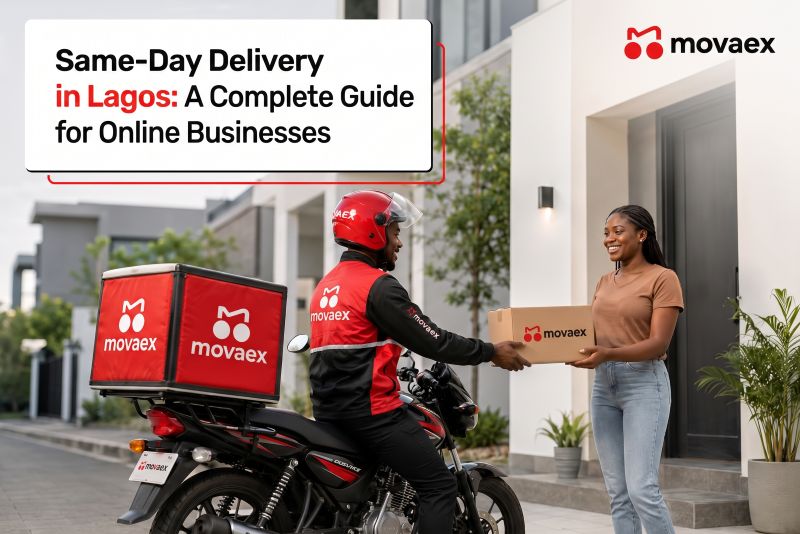
Same-Day Delivery in Lagos: A Complete Guide for Online Businesses
Same-Day Delivery in Lagos: A Complete Guide for Online Businesses
Running an online business in Lagos involves more than receiving orders, confirming payments and preparing products. Getting those orders to customers safely and on time is another important part of the process.
For many businesses, delivery can influence how customers perceive their service. A customer may be satisfied with a product, but an inaccurate delivery address, poor communication or an unexpected delay can affect the overall experience.
This is why same-day delivery in Lagos has become an important consideration for businesses that want to serve customers efficiently.
Whether you run a fashion store, sell beauty products, manage an online retail business or handle orders for other products, understanding how dispatch delivery works can help you organize your operations and avoid preventable delays.
In this guide, we explain what same-day delivery means, how businesses can arrange deliveries, what affects delivery costs and the common mistakes customers can avoid to make the process smoother.
What Is Same-Day Delivery?
Same-day delivery is a service arrangement in which an item is picked up and delivered to its destination on the same day, subject to availability and the conditions of the trip.
For example, an online vendor in Lagos may receive an order in the morning from a customer who needs the item that afternoon. If the product is ready, the addresses are accurate and a rider is available, the vendor may be able to arrange delivery on the same day.
However, same-day delivery does not automatically mean immediate delivery. The booking time, distance between locations, traffic conditions, rider availability and recipient’s availability can all affect the delivery timeframe.
Businesses should therefore confirm their delivery arrangements before promising customers a specific arrival time.
Why Same-Day Delivery Matters for Businesses in Lagos
1. It improves the customer experience
Customers want to know when their orders will arrive. When businesses provide clear delivery information and fulfil their commitments, they help build trust with their customers.
Same-day delivery can be especially useful for customers who need products urgently, provided the requested delivery can be arranged.
2. It supports online vendors and small businesses
Many online businesses depend on dispatch riders to move orders from their stores to customers across Lagos.
A reliable delivery arrangement helps vendors coordinate their orders without having to manage every delivery themselves. It can also make it easier to serve customers in different locations.
3. It helps businesses manage urgent orders
Some orders are more time-sensitive than others. A customer may need an outfit before an event, a business may need an item delivered to another location, or a retailer may receive an order that needs to arrive that day.
Planning delivery early and confirming availability can help businesses handle such requests more effectively.
4. It can encourage customer confidence
The delivery experience is part of the overall service a business provides.
When orders arrive within the agreed timeframe and communication is handled properly, customers have fewer reasons to worry about their purchases. While fast delivery alone does not guarantee repeat business, a smooth experience can contribute to customer satisfaction.
How to Arrange Same-Day Delivery in Lagos
Arranging a dispatch delivery involves more than contacting a rider. A few practical steps can help reduce complications.
Step 1: Prepare the order before requesting pickup
Ensure that the item is available, properly packaged and ready for collection before the rider arrives.
If a rider arrives and the seller is still searching for the product, completing the packaging or confirming order details, the pickup may be delayed. That delay can affect the rider’s schedule and other deliveries.
Preparing orders ahead of time helps make the process more efficient.
Step 2: Provide the correct pickup and delivery addresses
Accurate addresses are essential for successful delivery.
Provide the correct street name, building number, estate or business name, nearby landmark and recipient’s phone number. Where necessary, give additional directions that can help the rider locate the destination.
Do not assume that entering an address into a map application will always lead the rider to the exact entrance or building. Confirm that the location displayed matches the intended destination.
If the address is unclear, resolve the issue before the rider sets out.
Step 3: Confirm the delivery timeframe
If your customer needs an order before a particular time, communicate that requirement when arranging the dispatch.
Confirm whether a rider is available and whether the requested timeframe is achievable. Booking early can give the delivery provider more opportunity to coordinate the trip.
Avoid promising customers a specific arrival time until the delivery arrangement has been confirmed.
Step 4: Consider traffic and distance
Traffic is an important consideration when arranging deliveries in Lagos. A journey that looks short on a map may take longer than expected because of congestion, road conditions or other disruptions.
The distance between pickup and drop-off locations, the time of day and the route involved can all affect how long a delivery takes.
Businesses should allow reasonable time for these factors and communicate promptly if plans change.
Step 5: Ensure the recipient is available
Before the rider leaves for the destination, confirm that the recipient will be available to receive the order.
Make sure the recipient’s contact number is correct and that they know to expect the delivery. If another person will receive the item, arrange that beforehand and communicate the necessary details to the delivery provider.
A rider who arrives at an address but cannot reach the recipient may have to wait, make additional calls or leave without completing the delivery.
This is one of the preventable issues that can disrupt a dispatch schedule.
Step 6: Keep communication clear
Good communication between the seller, rider and recipient helps deliveries run more smoothly.
Customers should provide accurate information, respond to calls when necessary and communicate changes as early as possible. Businesses should also give customers realistic delivery expectations and promptly share relevant updates.
These simple habits can reduce confusion and help everyone involved manage their time better.
Common Problems That Can Delay Dispatch Delivery in Lagos
Even when a business has arranged a rider, certain issues can affect the delivery process. Some of the most common challenges involve incorrect addresses, unavailable recipients, late preparation and traffic.
From the realities of dispatch operations, two issues deserve particular attention: wrong delivery addresses and recipients who cannot be reached when the rider arrives.
1. Wrong or Inaccurate Delivery Addresses
An incorrect address can cause significant delays, even when a rider follows the directions provided.
Imagine a customer sharing an address with a business. The rider enters that address into a map application and follows the directions to the location. Upon arrival, however, the customer says that the address is incorrect or that the actual destination is somewhere else.
The rider may now need to call the customer, request clearer directions, identify a nearby landmark or travel to another location. What should have been a straightforward delivery becomes a longer trip.
Experiences like this show why customers should confirm their addresses before requesting a dispatch.
A small mistake in the street name, building number or landmark can send a rider in the wrong direction. Even when the map application works correctly with the information provided, the information itself may be inaccurate.
How can customers prevent this?
Double-check the full address before submitting a delivery request.
Confirm that the map pin corresponds to the intended destination.
Include a clear landmark or additional directions where necessary.
Provide a reachable phone number.
Notify the delivery provider immediately if the address changes.
Taking a few minutes to verify an address can prevent unnecessary calls, additional travel and delays to other orders.
2. When the Recipient Is Unavailable
Another common challenge occurs when a rider reaches the delivery location but cannot get through to the recipient.
During one of Movaex’s dispatch experiences in Lagos, a rider arrived at a customer’s location in Peleba at around 3 p.m. but could not complete the handover because the recipient was not responding to calls.
The rider waited for over 30 minutes, but the recipient did not respond in time. The customer only called back after 7 p.m., several hours after the rider had left the location.
This illustrates how an unavailable recipient can disrupt a delivery, even when the rider has already reached the correct destination.
The challenge goes beyond the individual order. Dispatch riders often have multiple deliveries to complete within a scheduled period. When one delivery takes longer than expected because the recipient is unreachable, subsequent orders may also be delayed.
For example, if a rider spends an extra 30 minutes waiting at one location, that is 30 minutes that could otherwise have been used to progress to another delivery. Depending on the route and schedule, other customers may have to wait longer as a result.
How can customers prevent this?
Make sure someone is available to receive the order at the agreed time.
Keep the phone number provided for the delivery active and accessible.
Respond to calls from the rider or delivery provider.
If you will be unavailable, communicate early and arrange an alternative where the delivery provider permits it.
Avoid asking a rider to wait indefinitely without confirming when you will be available.
Customers may not always realize how much a delayed handover affects the rest of a rider’s schedule. Being available and communicating promptly can help make the process easier for everyone.
3. Late Booking and Unprepared Orders
Requesting a delivery too late in the day can limit the available options, particularly when a customer needs the order delivered before a specific time.
Delays can also occur when a rider arrives for pickup but the order has not been prepared.
Businesses can reduce these problems by organizing orders early, confirming pickup details and contacting the delivery provider as soon as they know a dispatch is needed.
4. Traffic and Unexpected Road Conditions
Traffic congestion and road disruptions can affect delivery times across Lagos.
Even when a rider departs promptly and follows the expected route, journey times can change. This is why businesses should avoid making unrealistic promises based solely on the distance between two locations.
Planning ahead and keeping customers informed when delays occur can help manage expectations.
How Much Does Dispatch Delivery Cost in Lagos?
Dispatch delivery charges in Lagos vary depending on the details of the trip. There is no single price that applies to every pickup and destination.
Some of the factors that may influence the delivery fee include:
Pickup and drop-off locations: The route and distance between the two points can affect the cost.
Delivery urgency: The requested timeframe and available delivery options may influence the arrangement.
Waiting time: Delays at pickup or drop-off can affect the time required to complete a trip.
Additional stops: Multiple pickups or destinations may require a different arrangement.
Special handling requirements: Certain items may need additional care or specific arrangements.
For businesses that make frequent deliveries, keeping records of dispatch expenses can help with budgeting and planning.
Rather than relying on a general estimate, provide the pickup and drop-off addresses when requesting a quote. This gives the delivery provider the information needed to assess the trip.
Should You Manage Your Own Dispatch Rider or Use a Delivery Company?
The right option depends on your business needs, order volume and budget.
Managing an in-house rider may work for a business with frequent, predictable deliveries and the capacity to coordinate the rider’s schedule and other operating responsibilities.
Using an external delivery provider may suit a business that needs delivery support without managing every aspect of dispatch operations itself.
Before making a decision, consider:
How many orders you send daily or weekly.
The locations where your customers are based.
Your delivery budget.
How urgently orders usually need to arrive.
The time and resources available to coordinate deliveries.
How delivery issues and customer communication will be handled.
The goal is to choose an arrangement that supports your operations and gives customers a dependable delivery experience.
How Movaex Logistics Can Support Your Business Deliveries
For businesses that need dispatch support in Lagos, Movaex Logistics provides motorcycle-based delivery services to help move orders from businesses to their customers.
Whether you run an online fashion store, sell beauty products or manage another business that sends parcels to customers, having a clear delivery arrangement can help you coordinate pickups and fulfil orders more efficiently.
At the same time, successful delivery depends on cooperation between the business, the delivery provider and the recipient. Accurate addresses, prepared orders, reachable phone numbers and clear communication all contribute to a smoother process.
If you need a same-day delivery, contact Movaex in advance to discuss your pickup and drop-off locations and confirm whether the requested timeframe can be accommodated. Availability and delivery timing depend on the details of each request.
Need to arrange your next delivery in Lagos?
Contact Movaex Logistics to discuss your dispatch requirements.
Lagos contact: 08080483796
Website: www.movaex.com
When contacting the team, provide your pickup address, delivery address and preferred timeframe so the appropriate arrangements can be discussed.
Final Thought
Same-day delivery in Lagos can help businesses respond to urgent orders and provide customers with a more convenient buying experience. However, successful delivery depends on more than the speed of the rider.
Correct addresses, prepared orders, realistic delivery expectations and available recipients all play an important role in keeping deliveries on schedule.
As the experiences discussed in this article demonstrate, a wrong address or an unanswered call can turn a straightforward delivery into a delay that affects other orders.
Businesses and customers can help prevent these issues by confirming delivery details, staying reachable and communicating changes early.
If your business regularly sends orders to customers, review your current dispatch process and identify where better planning and coordination could make a difference.
With the right preparation and a suitable delivery partner, you can make dispatch a more organized part of your business and create a smoother experience for your customers.
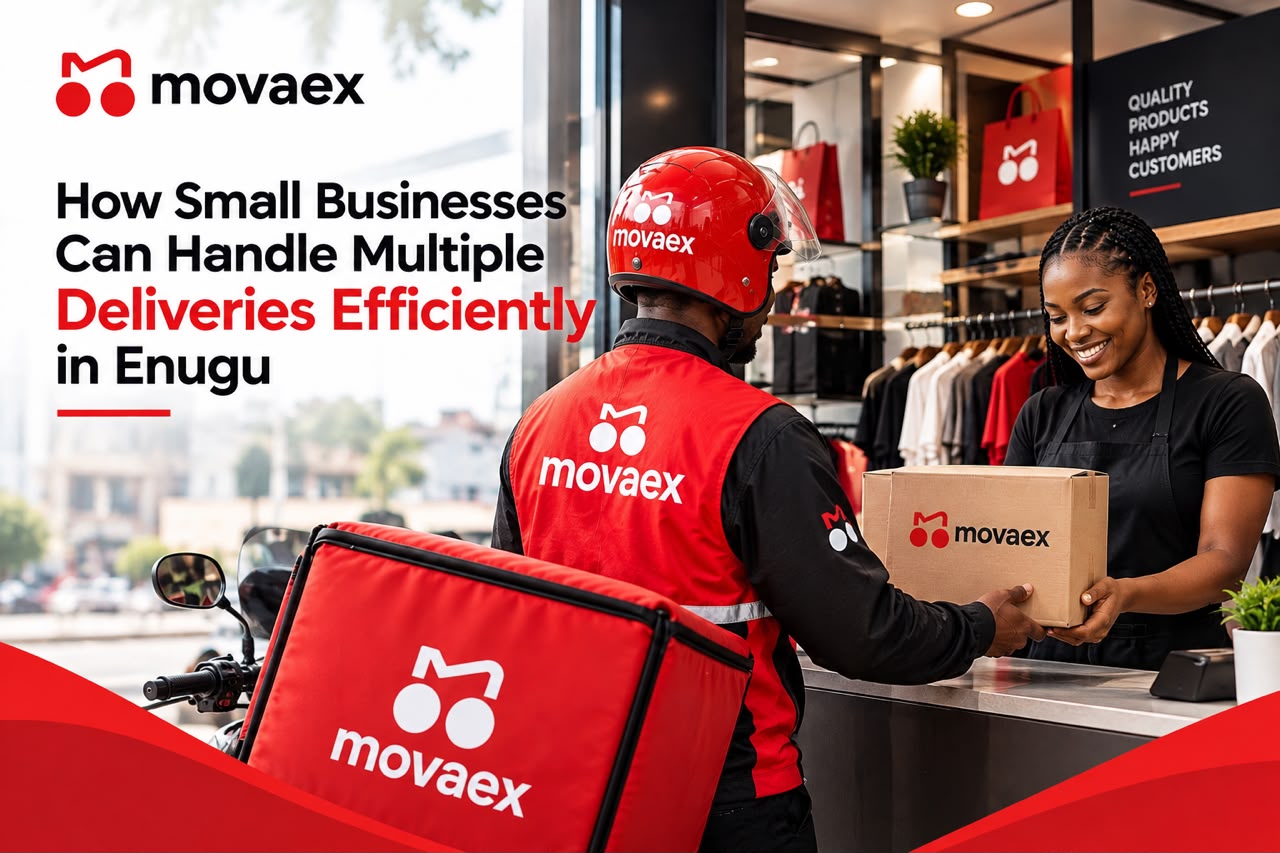
How Small Businesses Can Handle Multiple Deliveries Efficiently i
How Small Businesses Can Handle Multiple Deliveries Efficiently in Enugu
Running a small business is already a full-time job.
You are posting on Instagram in the morning, replying to WhatsApp messages, checking stock, confirming payments, packaging orders, and before you know it, you have 10 customers asking:
“Please, when will my order arrive?”
One delivery is easy enough.
Two or three? Still manageable.
But when the orders start coming in from different parts of Enugu, things can quickly become complicated.
One customer is in New Haven. Another is around Independence Layout. Someone else is in Abakpa. Another customer wants delivery to GRA. And suddenly, you are trying to coordinate multiple riders while still running your actual business.
This is where having a proper delivery system becomes important.
For small businesses, handling multiple deliveries efficiently isn’t necessarily about having a huge fleet or complicated technology. It starts with good planning, clear communication and the right delivery partner.
At Movaex Logistics, we support businesses and individuals with dispatch services across Enugu, Lagos and Port Harcourt, helping businesses move their orders from their locations to their customers’ doorsteps.
So, how can your small business handle multiple deliveries without turning every delivery day into chaos?
1. Organise Your Orders Before Sending Them Out
One of the easiest ways to create delivery problems is to send orders out randomly.
Customer A orders at 9:00am.
Customer B orders at 9:15am.
Customer C orders at 9:30am.
Instead of looking at all three deliveries together, you immediately start arranging them one after another.
That’s when things can become inefficient.
Before sending out multiple orders, take a few minutes to organise them.
Group your orders according to:
Delivery location
Customer availability
Urgency
Preferred delivery time
Package size
Any special delivery instructions
For example, if you have three customers around New Haven, Independence Layout and GRA in Enugu, organising those deliveries together can make more sense than treating them as completely separate trips.
The same principle applies in Lagos and Port Harcourt.
If you have several customers in nearby areas, let your delivery partner know. It gives the dispatch team a better understanding of what needs to be moved and where.
Good delivery starts with good organisation.
2. Confirm Your Customers’ Addresses Before Dispatch
This is one of the simplest ways to prevent unnecessary delivery delays.
And yet, it is one that businesses sometimes overlook.
Don’t wait until the rider is already on the road before discovering that the customer’s address is incomplete.
Before dispatch, confirm:
Full address. Phone number. Landmark. Estate or building name, if applicable. Any useful directions.
For example:
“No. 10 Chime Street, New Haven, Enugu, beside God’s Seed Pharmacy.”
is much more useful than:
“New Haven, close to the big junction.”
We know how Nigerian addresses can be sometimes.
And this isn’t only an Enugu problem.
Lagos has its estates, similar street names and Mainland/Island movement. Port Harcourt has its own mix of residential and commercial areas.
A clear address means the rider spends less time trying to locate the customer and more time completing the delivery.
Before the package leaves your business, make sure the rider has enough information to find where it’s going.
3. Separate Urgent Deliveries From Regular Orders
Not every customer needs their package at the same time.
One customer may simply want their order delivered during the day.
Another may be waiting for something they need urgently.
Treating every order exactly the same can make managing multiple deliveries harder.
Instead, identify your urgent deliveries early.
For example:
Urgent: Customer needs the package before 2pm.
Regular: Customer is available anytime between 12pm and 5pm.
Scheduled: Customer specifically requested delivery after 4pm.
This gives you a clearer picture of which orders need priority.
It also helps your logistics partner plan deliveries more efficiently.
At Movaex, businesses can communicate their delivery requirements to our team so that the delivery can be coordinated according to the customer’s needs.
The goal isn’t simply to send everything out as quickly as possible.
It’s to send the right order at the right time.
4. Work With Motorcycle Dispatch That Understands City Deliveries
For small businesses handling multiple orders, the type of vehicle used for delivery can make a difference.
Movaex operates a motorcycle-only dispatch model for our city deliveries.
Why motorcycles?
Because urban deliveries often involve traffic, narrow streets, busy areas and roads where manoeuvring through congestion can be challenging.
In a city like Enugu, motorcycles can make it easier for dispatch riders to move between different parts of the city while handling multiple deliveries.
The same applies to Lagos, where traffic can significantly affect delivery times, and Port Harcourt, where businesses also deal with busy commercial and residential routes.
Our existing route-planning approach is built around the realities of these three cities, with motorcycle agility being an important part of intra-city delivery.
For a small business, this means you don’t necessarily need to worry about finding a different rider for every order.
A reliable motorcycle dispatch partner can help you manage your deliveries more efficiently.
5. Prepare Your Packages Before the Rider Arrives
This sounds like a small thing.
It isn’t.
Imagine a rider arrives to pick up five orders, but only two packages are ready.
Now the rider is waiting.
You’re still looking for the third customer’s item.
Someone is asking you where the fourth package is.
The customer is already calling.
And your delivery schedule has just been pushed back.
To avoid this, prepare your packages before arranging pickup whenever possible.
Have them:
Properly packaged
Clearly labelled
Matched with the correct customer
Ready for pickup
Accompanied by the necessary delivery information
If you have 10 orders going out, prepare all 10 before the rider arrives where possible.
The faster the pickup process, the faster the deliveries can start.
6. Don’t Promise Delivery Times You Can’t Control
This one is especially important for online businesses.
You might want to tell your customer:
“You’ll get it in 30 minutes.”
But should you?
If you’re in Enugu and the delivery requires crossing several parts of the city, giving an extremely tight delivery window without considering traffic, pickup time and the customer’s location can create unnecessary pressure.
The same is even more important in Lagos.
You could have everything perfectly organised and still encounter unexpected traffic.
So instead of making unrealistic promises, give customers a reasonable delivery expectation.
For example:
“Your order will be dispatched today and delivered within the agreed delivery window.”
It’s better to give a realistic expectation and meet it than to promise 30 minutes and spend the next two hours explaining yourself.
Under-promise, organise properly and deliver well.
7. Keep Your Customers Informed
You don’t need complicated technology to communicate well with customers.
Sometimes, a simple message is enough.
For example:
“Hi Ada, your order has been handed over for delivery. Our rider will contact you when he’s close.”
Or:
“Hi David, the rider is currently on the way with your order. Please keep your phone available.”
Simple.
Clear.
Helpful.
And if something unexpected happens, communicate that too.
If the rider is delayed because of traffic or there is an issue locating the customer’s address, let the customer know rather than leaving them wondering.
Good communication can make customers more patient because they understand what is happening.
Silence makes a small delay feel much bigger.
8. Use a Reliable Delivery Partner as Your Business Grows
At the beginning of your business, you may be able to handle deliveries yourself.
Maybe you jump on a bike and deliver one order.
Then another.
Then another.
But as your business grows, this becomes harder to maintain.
Imagine running an online fashion business in Enugu and suddenly receiving 20 orders in one day.
Are you going to stop everything you’re doing to personally deliver all 20?
Probably not.
This is where outsourcing your deliveries to a logistics company can make sense.
A delivery partner allows you to focus on what you actually do best:
Selling your products. Serving your customers. Growing your business.
Meanwhile, your logistics partner handles the movement of those orders.
Movaex provides on-demand and scheduled delivery services across Enugu, Lagos and Port Harcourt, helping businesses handle their local deliveries without having to build and manage their own dispatch operation.
Managing Multiple Deliveries in Lagos
Although Enugu is the focus of this article, the same principles are especially useful for businesses operating in Lagos.
Lagos presents its own delivery challenges, particularly because of traffic and the sheer volume of movement across the city.
For example, an online business with customers in Ikeja, Surulere, Yaba, Lekki and Victoria Island needs to think carefully about delivery timing and route planning.
A delivery plan that works perfectly in the morning may not work the same way during afternoon traffic.
That’s why organising orders, providing accurate addresses and working with experienced motorcycle dispatch riders can make a major difference.
Movaex’s existing logistics approach specifically considers the different delivery realities of Lagos, including the complexity of Mainland and Island movement.
Managing Multiple Deliveries in Port Harcourt
Port Harcourt businesses also have plenty of reasons to take delivery planning seriously.
Whether you’re selling fashion, food, beauty products, electronics or other goods, multiple customer orders can quickly become difficult to coordinate without a system.
For businesses with customers spread across different parts of Port Harcourt, grouping deliveries, confirming addresses and preparing packages ahead of pickup can help reduce unnecessary trips.
And because Movaex uses motorcycle dispatch, our riders are equipped for the realities of urban last-mile deliveries.
Our operations cover Port Harcourt alongside Enugu and Lagos, giving businesses a logistics option that understands the local environment.
A Simple Multiple-Delivery Checklist for Small Businesses
Before sending your orders out, run through this checklist:
Before Pickup
All packages are properly packaged
Every package has the correct customer’s details
Addresses have been confirmed
Phone numbers are correct
Landmarks/directions have been provided
Urgent orders have been identified
Customers know their orders are going out
During Dispatch
Give the rider all necessary delivery information
Communicate any special instructions
Keep customers informed where necessary
Respond quickly if the rider needs clarification
After Delivery
Confirm successful delivery
Follow up on failed deliveries
Record any recurring delivery problems
Use what you learn to improve your next dispatch
These steps may look basic, but when you’re handling 5, 10, 20 or more orders, having a simple system can save you a lot of stress.
Summary
Managing multiple deliveries doesn’t have to become the hardest part of running your business.
Whether you’re a fashion vendor in Enugu, an Instagram seller in Lagos, a food business in Port Harcourt, or a growing e-commerce brand serving customers across your city, the fundamentals remain the same:
Organise your orders. Confirm your addresses. Prepare packages early. Communicate clearly. Plan around your city’s traffic. And work with a delivery partner you can rely on.
Your customers don’t see everything that happens behind the scenes.
They simply see whether their order arrived when they expected it to.
And that’s why delivery is more than just transportation.
It’s part of your customer experience.
Let Movaex Handle Your Deliveries
At Movaex Logistics, we help businesses and individuals move packages across Enugu, Lagos and Port Harcourt using our motorcycle dispatch network.
Whether you’re sending a single order or managing multiple deliveries for your business, our goal is to make the delivery process simpler, more convenient and less stressful.
You focus on selling.
We’ll help move the orders.
Movaex Logistics
Delivering Satisfaction.
5 Ways Online Businesses Can Reduce Delivery Delays in Lagos
5 Ways Online Businesses Can Reduce Delivery Delays in Lagos
If you run an online business in Lagos, you already know that getting the order is one thing.
Getting it to the customer on time? That’s a whole different ball game.
A customer places an order through Instagram or WhatsApp. You confirm payment, package the item and hand it over for delivery. Then the questions start:
“Has my order left?”
“When will the rider arrive?”
“Please, I need it before 4pm.”
Meanwhile, the rider is somewhere dealing with Lagos traffic.
And just like that, what was supposed to be a simple delivery becomes a long conversation between you, your rider and your customer.
Delivery delays are frustrating for everyone involved, but for online businesses, they can have an even bigger impact. A late order can lead to complaints, cancellations, refunds and, in some cases, a customer deciding not to order from you again.
The good news? Many delivery delays can be reduced with better planning and the right logistics partner.
Here are five practical ways online businesses in Lagos can reduce delivery delays and these tips also apply if you're operating in Port Harcourt or Enugu.
1. Get the Customer's Delivery Details Right
This sounds simple, but you'd be surprised how many delivery problems start with the address.
You might receive something like:
“14 Allen Avenue, Ikeja.”
Great. But what if the customer is actually inside an estate? Which entrance? Which building? Is there a landmark? Is there a security gate?
Or the famous Nigerian classic:
“Just call me when you get there.”
Get where?
An incomplete or unclear address can waste valuable time because the rider has to keep calling the customer, asking for directions or trying to figure out exactly where to go.
Before sending out an order, make sure you collect:
Customer's full name
Phone number
Complete delivery address
Estate or building name, where applicable
Nearby landmark
Specific instructions for difficult-to-find locations
This is particularly important in a city like Lagos, where two locations can have similar street names and large estates can have multiple entrances.
The same principle applies in Port Harcourt and Enugu. A clear address makes it easier for the rider to locate the customer without unnecessary back-and-forth.
A few extra minutes confirming an address can save you much more time during delivery.
2. Don't Wait Until the Last Minute to Arrange Delivery
We understand it.
A customer orders at 3:00pm and says they need the package delivered today.
You package it at 4:00pm.
Then you start looking for a rider.
By then, the day is already moving.
If the order is time-sensitive, don't wait until the last minute before arranging the delivery.
Once you've confirmed the order and the customer has provided the correct delivery details, start the delivery process early.
This gives the rider enough time to plan the trip and gives your business a better chance of meeting the customer's expected delivery time.
For example, if you're a fashion vendor in Lagos and you have several orders going to different parts of the city, organizing your deliveries earlier in the day can make the process much smoother than handling each order as an emergency.
The same applies to businesses in Port Harcourt and Enugu.
Good delivery starts before the rider picks up the package.
3. Choose the Right Delivery Time
Sometimes, the problem isn't the rider.
It's the timing.
Lagos traffic can change the estimated travel time dramatically.
A trip that looks straightforward on a map can become much longer during peak periods.
So, if an order needs to arrive at a particular time, think about the time the rider needs to get there, not just the time you want the customer to receive it.
For instance, if your customer needs an order in Lekki by 5:00pm, leaving the pickup until late afternoon could create unnecessary pressure.
Planning earlier gives your rider more room to deal with traffic and unexpected delays.
And Lagos isn't the only city where timing matters.
Port Harcourt has busy periods and routes that can slow down deliveries, while businesses in Enugu also need to consider traffic and distance when scheduling multiple deliveries.
The earlier you plan, the fewer surprises you have to deal with.
4. Work With a Delivery Partner That Understands Your City
You can package an order perfectly, confirm the address and prepare everything on time, but if the delivery service isn't reliable, you're still going to have problems.
This is why choosing the right logistics partner matters.
A good delivery company should understand the realities of the city where it operates.
In Lagos, that means understanding traffic patterns, busy areas, difficult routes and the challenges of moving between different parts of the city.
In Port Harcourt, local knowledge can help riders navigate commercial and residential areas more efficiently.
And in Enugu, understanding local routes and neighborhoods can make everyday deliveries smoother.
At Movaex Logistics, we operate in Lagos, Port Harcourt and Enugu, providing door-to-door delivery services for businesses and individuals.
Our motorcycle-based dispatch model is designed for urban deliveries, helping riders move through busy city environments while getting orders closer to customers' doorsteps.
The point isn't simply to find a rider.
Find a delivery partner you can depend on.
5. Communicate With Your Customers
This one is simple but incredibly important.
Sometimes, a delivery is delayed because the customer isn't available when the rider arrives.
Maybe they're at work.
Maybe they stepped out.
Maybe they gave the wrong phone number.
Maybe the rider has arrived but can't get through the estate gate.
Whatever the reason, poor communication can turn a small issue into a major delay.
Make sure your customer knows:
When their order has been handed over for delivery
That the rider may contact them
To keep their phone nearby
To provide additional directions if necessary
If there is a specific delivery window, when they should expect the rider
And if something changes, communicate it.
Don't leave your customer staring at their phone wondering what happened to their order.
Good communication can make a delay feel manageable. Poor communication can make even a short delay feel much worse.
What Online Businesses in Lagos Can Do Before Every Delivery
Here's a quick checklist you can save and use before sending out your next order:
Before the rider arrives:
☑ Confirm the customer's phone number
☑ Confirm the full delivery address
☑ Get a useful landmark or additional directions
☑ Confirm the customer will be available
☑ Package the order properly
☑ Arrange the rider early
☑ Consider traffic and delivery timing
☑ Give the rider all necessary delivery information
It may seem like a lot of small things, but small mistakes are often what create big delivery delays.
What About Businesses in Enugu and Port Harcourt?
Although this article focuses on Lagos, the same delivery principles apply to businesses operating in other Nigerian cities.
For businesses in Port Harcourt
Planning ahead is important, especially when you have several orders going to different parts of the city. Having clear addresses and communicating with customers before the rider arrives can help prevent unnecessary delays.
For businesses in Enugu
Clear directions are equally important. Providing landmarks and making sure customers are available to receive their orders can help riders complete deliveries more efficiently.
Whether you're selling clothes in Lagos, food in Port Harcourt or beauty products in Enugu, the basics of good delivery remain the same: plan properly, communicate clearly and work with a reliable delivery partner.
Why Delivery Delays Matter to Your Business
A delayed delivery isn't just a logistics problem.
It's a customer experience problem.
Think about it from the customer's perspective.
They find your business online.
They like your product.
They trust you enough to make payment.
Now they're waiting for their order.
If everything goes smoothly, they may happily order again and recommend your business.
But if their order arrives much later than promised, they may remember that experience the next time they're deciding where to shop.
This is why delivery should be treated as part of your customer service, not something that happens after the sale.
The product may get the customer to buy, but the delivery experience can influence whether they come back.
Let Movaex Help You Deliver Better
Running an online business is already demanding enough. You shouldn't have to spend your day chasing riders, explaining addresses or constantly apologizing to customers about delayed orders.
At Movaex Logistics, we help businesses and individuals handle their deliveries across Lagos, Port Harcourt and Enugu.
Whether you're sending one package or handling regular business deliveries, our goal is to make the process more convenient, from pickup to doorstep.
Because your job is to sell the product and serve your customer.
Our job is to help get it there.
Ready to make delivery less stressful?
Choose a logistics partner that understands the realities of delivering in Nigerian cities.
Movaex Logistics, Delivering Satisfaction.

How to Choose the Right Delivery Service for Your Business in Nigeria
How to Choose the Right Delivery Service for Your Business in Nigeria
Running a business in Nigeria is already a lot.
You have to find customers, respond to WhatsApp messages, post on Instagram, manage stock, sort out payments, deal with suppliers and somehow still have enough energy left to worry about getting your customers' orders delivered.
Then comes the dreaded message:
“Please, where is my order?”
You check with the rider.
The rider says, “I’m on my way.”
You ask again 30 minutes later.
Still, “I’m on my way.”
At this point, you start wondering if “on my way” is actually a location.
This is why choosing the right delivery service is more important than many business owners realise.
Your delivery partner is not just moving a package from one location to another. They are representing your business at one of the most important points of the customer journey.
A good delivery service can help you save time, keep customers happy and grow your business. The wrong one can leave you dealing with complaints, refunds, delayed orders and customers who suddenly stop buying from you.
So, how do you choose the right delivery service for your business in Nigeria?
Let's talk about it.
1. Look Beyond the Delivery Price
Let's start with the obvious one: price.
As a business owner, you naturally want affordable delivery. Nobody wants to spend ₦5,000 delivering a ₦3,000 item.
But here's the thing: the cheapest delivery service isn't always the best option.
Imagine you run a fashion business in Lagos.
A customer orders a dress from your Instagram page and you choose a delivery company because they are ₦500 cheaper than another provider.
The package gets delayed.
Your customer starts calling you.
You start calling the rider.
The rider isn't picking up.
Eventually, the customer gets the package much later than expected and is unhappy with the entire experience.
You saved ₦500 on delivery but potentially lost a customer worth much more.
When comparing delivery companies, look at the overall value, not just the delivery fee.
Consider:
Delivery speed
Reliability
Customer service
Package handling
Coverage
Tracking or delivery updates
Ease of booking
How delivery issues are handled
Sometimes paying a little more for a reliable service is actually the cheaper option in the long run.
2. Make Sure They Actually Cover Your Customers
This sounds obvious, but it is one of the first things you should check.
Don't just ask:
“Do you deliver in Lagos?”
Ask:
“Do you deliver to the areas where my customers actually live?”
There's a big difference.
A business may operate in Lagos but not provide convenient delivery to every location you need.
The same applies to Port Harcourt and Enugu.
For example, if you're a business in Lagos serving customers across the Mainland and Island, your logistics partner should understand the realities of moving around those areas.
If you're operating in Port Harcourt, you need a delivery partner that understands the city's different commercial and residential areas.
And if your business is in Enugu, you need someone who can efficiently navigate the city's growing business and residential communities.
For Movaex, our operations cover Lagos, Port Harcourt and Enugu, allowing us to serve businesses within these cities with local delivery solutions.
The right question isn't simply “Where do you deliver?”
It is:
“Can you reliably deliver to the places my customers are?”
3. Consider How Fast Your Business Needs to Deliver
Not every order needs to arrive within two hours.
But some orders definitely do.
Think about a food vendor receiving an order at lunchtime.
Or a customer who needs an outfit for an event happening that evening.
Or a business that needs an important document delivered across town.
In these situations, waiting until tomorrow may not be an option.
This is why you should choose a logistics partner based on your actual delivery needs.
Ask yourself:
Do I need same-day delivery?
Do I need scheduled pickups?
Do I need urgent delivery?
Do I need next-day delivery?
Do I send multiple orders every day?
Do I need deliveries within one city or across different cities?
Movaex offers on-demand and scheduled delivery options, including same-day and next-day delivery solutions designed around different delivery needs.
The goal isn't necessarily to deliver everything as fast as humanly possible.
The goal is to deliver within the timeframe your customer expects.
4. Choose a Delivery Partner That Understands Nigerian Traffic
Let's be honest.
A delivery company that doesn't understand Nigerian traffic is going to have a rough time.
Lagos traffic alone can humble even the most confident person.
You could leave Yaba thinking you'll reach Lekki quickly, and suddenly you're questioning every decision that brought you onto that road.
Port Harcourt and Enugu have their own traffic patterns, road conditions and challenges too.
That's why local knowledge matters.
A good delivery company should understand things like:
Busy routes
Peak traffic periods
Alternative routes
Difficult-to-access areas
Common delivery delays
Local landmarks
Estate and office access
Movaex uses route planning and motorcycle dispatch to navigate urban delivery challenges across its operational cities. Motorcycles can also be particularly useful in dense urban areas because of their ability to move through traffic more efficiently than larger vehicles.
In Nigerian logistics, knowing the road can be just as important as having the vehicle.
5. Ask How They Handle Your Packages
Your package isn't just “a package.”
It could be:
A customer's new dress.
A birthday gift.
A laptop accessory.
A business document.
A customer's food order.
Something they paid their hard-earned money for.
So you need to know how the delivery company handles items from pickup to drop-off.
Before choosing a logistics provider, find out:
How are packages handled?
Are riders properly identified?
How are fragile items treated?
What happens if an item is damaged?
What happens if a delivery fails?
How are customer complaints handled?
A professional delivery service should have clear processes for these situations.
You don't want to discover how a company handles complaints after something has already gone wrong.
6. Pay Attention to Customer Service
This one is underrated.
Your logistics company should be easy to reach when you actually need them.
Because eventually, something unexpected may happen.
The customer may not be available.
The rider may have difficulty finding the address.
The customer may provide incomplete directions.
There may be traffic or a road closure.
What matters is how quickly the situation is handled.
Good customer service means you're not left thinking:
“So who exactly am I supposed to call now?”
Look for a delivery company that communicates clearly and takes responsibility for helping resolve delivery issues.
After all, if your customer is angry about a delivery problem, they're probably not going to call the rider.
They're going to call you.
7. Check Whether the Delivery Service Can Grow With Your Business
Your business today may have five deliveries a week.
Next year, it could be 20 deliveries a day.
That's why you shouldn't only choose a logistics provider based on what you need right now.
Think about where your business is going.
If you're an Instagram fashion vendor today, could you eventually become an e-commerce store processing hundreds of orders?
If you're a small food business today, could you expand into multiple locations?
If you're selling products in Enugu today, could you eventually start serving customers in Lagos or Port Harcourt?
Your logistics partner should be capable of supporting that growth.
You don't want your business to outgrow your delivery system.
8. Make Sure They Understand Your Type of Business
Different businesses have different delivery needs.
A fashion brand isn't going to have exactly the same requirements as a food vendor.
A pharmacy isn't going to have the same delivery pattern as a furniture business.
A lawyer sending documents has different concerns from an online vendor delivering clothing.
So when choosing a delivery service, consider whether the company understands your industry and the type of customers you serve.
For example, Movaex works with different categories of customers, including businesses, food vendors, professionals and individuals, providing on-demand delivery solutions around their different needs.
The right logistics partner should feel like an extension of your business, not another problem you have to manage.
9. Don't Ignore Reliability
This might actually be the most important factor of all.
Because customers can forgive a lot of things.
But if you repeatedly promise:
“Your order will arrive today.”
…and it doesn't?
That's when trust starts disappearing.
A customer may not tell you directly that they're unhappy. They might simply stop ordering.
Reliable delivery helps you keep the promises you make to your customers.
And when customers know that ordering from your business means their package will arrive when expected, it becomes easier for them to buy from you again.
Reliability builds trust.
And trust builds repeat business.
What Should Nigerian Businesses Look for in a Delivery Partner?
Before choosing a logistics company, here's a simple checklist you can use:
What to Check
Coverage : Make sure they can reach your customer.
Delivery speed : It helps you meet customer expectations.
Pricing : It keeps your delivery costs manageable.
Reliability : It reduces failed and delayed deliveries.
Customer service : It makes problems easier to resolve.
Package handling : It reduces the risk of damage.
Local knowledge : It helps navigate Nigerian roads and traffic.
Scalability : It allows your logistics to grow with your business.
Technology : It makes booking and monitoring deliveries easier.
Choosing a Delivery Service in Lagos, Port Harcourt or Enugu
Your location should influence the kind of logistics partner you choose.
If your business operates in Lagos
You need a delivery service that understands traffic, long distances and the difference between Mainland and Island deliveries.
Speed matters, but reliability matters even more when one traffic jam can completely change your delivery timeline.
If your business operates in Port Harcourt
Look for a logistics provider with strong knowledge of the city's commercial and residential areas and the ability to handle different delivery requirements efficiently.
If your business operates in Enugu
As more businesses sell through social media and online platforms, having a dependable last-mile delivery partner can help you serve customers across the city without making delivery a daily headache.
Movaex operates across Lagos, Port Harcourt and Enugu, with a focus on convenient, on-demand and door-to-door delivery for businesses and individuals.
So, What's the Right Delivery Service for Your Business?
There isn't one delivery company that will be perfect for every single business.
The right choice depends on what you're sending, where you're sending it, how frequently you send it and how quickly your customers expect to receive it.
But regardless of your business size, there are a few things you shouldn't compromise on:
Reliability.
Good communication.
Safe handling.
Convenience.
Reasonable pricing.
And delivery that keeps your promises to your customers.
Because at the end of the day, your customer doesn't separate your business from your delivery partner.
If their order arrives late, it's your brand they remember.
If it arrives safely and on time?
Your brand gets the credit too.
That's why choosing the right logistics partner isn't just an operational decision.
It's a business decision.
Let Movaex Handle the Delivery While You Grow Your Business
At Movaex Logistics, we understand the realities Nigerian businesses face every day, from Lagos traffic to the unique delivery demands of Port Harcourt and Enugu.
Our goal is simple: make delivery easier for businesses and their customers.
Whether you need a one-time delivery, regular business dispatch, same-day delivery or scheduled pickups, Movaex provides on-demand, door-to-door delivery solutions designed to help you spend less time worrying about logistics and more time growing your business.
Your business has enough to worry about. Let delivery be the easy part.
Movaex Logistics, delivering satisfaction.